








If you have never had a new bathroom fitted before, it can feel like a bit of a minefield. You know what you want it to look like, but you are not always sure what happens behind the tiles and under the floorboards. As a bathroom installer Brighton homeowners regularly turn to, we find most people simply want a clear picture of what is involved before they commit.
This guide walks you through the whole process, from early planning to final checks, so you know exactly what to expect and how to prepare your home.
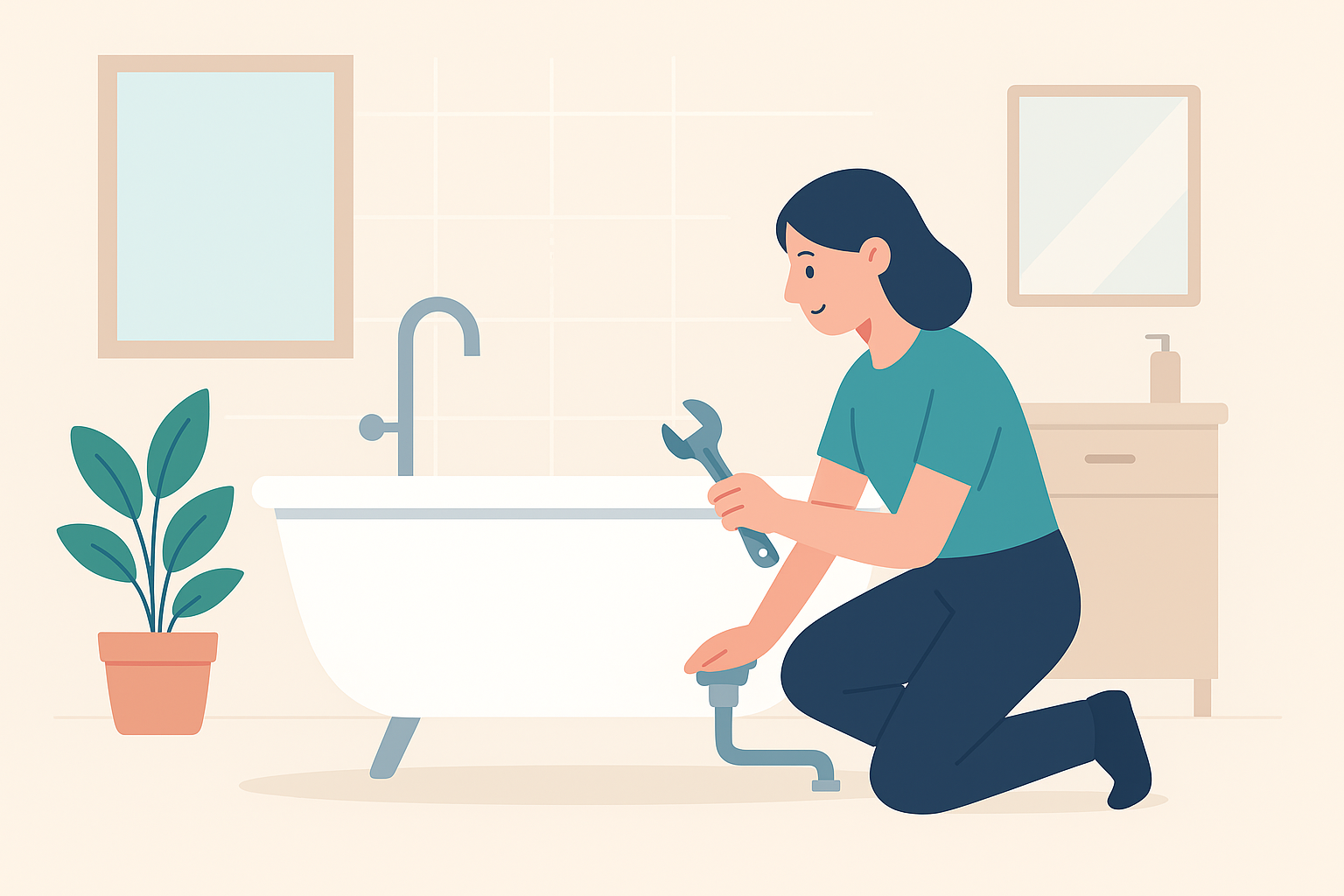
Understanding the Bathroom Installation Process
A bathroom installation is more than swapping a few fittings. It is a coordinated job involving plumbing, electrics, tiling, flooring and often some building work too. In older properties across Brighton and Hove in particular, we often uncover pipework that has been adapted several times over the years.
In simple terms, the process usually follows this order:
- Initial survey and design discussion
- Removal of the old bathroom
- First fix plumbing and electrics
- Plastering or preparation of walls and floors
- Tiling and flooring
- Second fix installation of sanitaryware and fittings
- Final testing and finishing touches
Knowing this sequence helps you understand why certain days might look messy or why there are moments when it seems like nothing visible is happening. Often that is when the important hidden work is being done.
Planning Your New Bathroom: Design, Budget and Timeline
Getting the Design Right
The planning stage is where you make the biggest decisions. Layout changes, such as moving a toilet or swapping a bath for a walk in shower, can affect pipe runs and drainage. In flats around Hove, for example, waste pipe positioning can limit what is possible without major alterations.
Think about how the room is used day to day. Property managers in Worthing often ask us for durable fittings that are easy to maintain, while families in Haywards Heath might prioritise storage and easy to clean surfaces.
Setting a Realistic Budget
Your budget should cover more than just tiles and taps. Allow for labour, waste removal, potential upgrades to pipework and any surprises once the old suite is removed. It is not uncommon in older homes to find rotten floorboards under a leaking shower tray.
A good installer will walk you through possible additional costs upfront so there are no awkward surprises halfway through the job.
Agreeing on a Timeline
A straightforward bathroom replacement with minimal layout changes often takes around one to two weeks. Larger renovations can take longer, particularly if structural work or extensive tiling is involved.
You will usually be without a functioning bathroom for part of this time. If there is only one bathroom in the property, it is worth discussing how this will be managed. We often help customers plan around work schedules and school runs to minimise disruption.
The Installation Process: Step-by-Step Breakdown
1. Removing the Old Bathroom
The first physical step is stripping out the existing suite. Baths, basins, toilets and old tiles are removed, and everything is taken back to a clean base. This is when underlying issues tend to appear, such as slow leaks or outdated pipework.
Dust sheets and floor protection are essential, especially in terraced houses where access is tight and everything has to come through the hallway.
2. First Fix Plumbing and Electrics
First fix means installing or relocating pipework and electrical cables before walls and floors are sealed up. If you are moving a shower or adding a radiator, this is when those changes happen.
For homeowners in Hove, Worthing or Haywards Heath, local water pressure and boiler setup can influence what type of shower system works best. This is the stage where those practical considerations are addressed.
3. Preparing Walls and Floors
Once the pipework is in place, walls may be boarded out and floors levelled. In some cases, we install cement boards in wet areas to provide a solid base for tiling. This preparation work is crucial for preventing future movement and cracked tiles.
4. Tiling and Flooring
Tiling can transform the look of a bathroom, but it requires patience. Adhesive needs time to cure before grouting, and floors must be level to avoid lipping. Rushing this stage often leads to problems later.
Many customers ask whether to tile floor to ceiling. The answer depends on budget, moisture levels and the style you are aiming for. A good installer will give honest advice based on experience rather than simply saying yes to everything.
5. Second Fix and Fitting
This is the satisfying part. The bath or shower enclosure is installed, the toilet and basin are fitted, taps connected and the radiator mounted. Everything is sealed carefully to prevent leaks.
Attention to detail here matters. Straight silicone lines and properly aligned fittings might seem small, but they make all the difference in the finished result.
6. Testing and Finishing Touches
Before the job is signed off, everything should be thoroughly tested. That means checking for leaks, ensuring water drains correctly and confirming that electrics are safe and compliant.
At this stage, your installer should walk you through the controls, show you where isolation valves are and answer any last questions.
Aftercare, Snagging and Final Checks
Even with the best planning, small snags can occasionally appear. A tiny adjustment to a door, a settling seal or a tap that needs slight tightening. Reputable installers expect this and will come back promptly if needed.
It is also worth asking about ongoing maintenance. Simple steps like regularly cleaning grout lines, keeping seals dry and checking for early signs of leaks will help your new bathroom last for years.
If you are at the stage of planning a renovation and want straightforward advice from a local team who understand properties across Brighton and the surrounding areas, Brighton Plumbers are always happy to talk things through properly rather than rush you into decisions.
Get in touch today to arrange your bathroom installation or request a free, no-obligation quote.