








Air conditioning is becoming increasingly popular in homes and businesses across Brighton and Hove. Warmer summers, heat-retaining modern buildings and the growth of home working have all increased demand for reliable indoor temperature control.
Modern air-conditioning systems offer more than cooling. Many can also provide energy-efficient heating, dehumidification and air filtration, making them useful throughout the year.
If you are considering air conditioning for your property, choosing the right system and installer is essential. This guide explains the available options, the installation process and what to look for when comparing air-con installers in Brighton.
Is Air Conditioning Suitable for Brighton Properties?
Air conditioning can be installed in many different types of property, including:
- Houses and flats
- Home offices
- Bedrooms and living rooms
- Shops and retail premises
- Restaurants and cafés
- Offices and commercial buildings
- Hotels and guest accommodation
- Gyms and fitness studios
- Treatment rooms and salons
- Server and equipment rooms
Brighton has a varied mixture of period homes, converted flats, modern developments and commercial properties. Each building presents different installation considerations, so the system should be selected around the property rather than using a standard solution.
Factors such as room size, insulation, window area, ceiling height and the number of occupants can all affect the cooling capacity required.
What Are the Benefits of Modern Air Conditioning?
A professionally designed system can provide several advantages beyond making a room feel cooler during summer.
Comfortable indoor temperatures
Air conditioning allows you to maintain a more comfortable and consistent indoor temperature. This can be particularly valuable in bedrooms, loft conversions, conservatories, home offices and rooms with large areas of glazing.
Heating as well as cooling
Many modern air-conditioning units operate as air-to-air heat pumps. This means they can reverse their operation to provide heating during colder weather as well as cooling during summer.
Individual rooms can be heated when required without necessarily warming the entire property.
Improved humidity control
High humidity can make a room feel warmer and less comfortable. Air conditioning can remove excess moisture from the air while operating, helping create a more pleasant indoor environment.
Air filtration
Modern systems contain filters that capture airborne dust and other particles as air circulates through the unit. These filters require regular cleaning and maintenance to continue working effectively.
Better working conditions
Excessive heat can make it difficult to concentrate and work comfortably. Air conditioning can help businesses maintain a more consistent environment for employees and customers.
What Type of Air-Conditioning System Do I Need?
The most appropriate system will depend on how many rooms you want to cool, the layout of the building and how the space is used.
Single-split systems
A single-split system connects one indoor unit to one outdoor unit. It is commonly used to cool or heat an individual bedroom, living room, office or commercial space.
This can be a practical option if you only need air conditioning in one particular area.
Multi-split systems
A multi-split system connects several indoor units to one outdoor unit. It allows multiple rooms to have individual temperature control while reducing the number of outdoor units required.
This type of system may suit larger homes, offices and commercial properties where several separate areas need heating or cooling.
Wall-mounted units
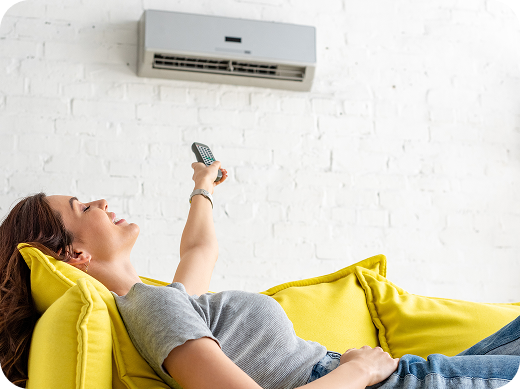
Wall-mounted air-conditioning units are among the most widely used options. They are normally positioned high on an internal wall to distribute air effectively throughout the room.
Modern units are available in a variety of sizes, colours and designs, allowing the installer to find an option that suits the room.
Ceiling-mounted and concealed systems
Commercial premises and larger residential projects may benefit from cassette, ducted or concealed units. These systems can provide discreet and even air distribution across bigger spaces.
They generally require more extensive installation work and may need ceiling voids or suitable space for ducting.
Why Is Correct System Sizing Important?
An air-conditioning unit must have enough capacity to heat or cool the intended space effectively. However, choosing an unnecessarily powerful unit is not always beneficial.
An undersized system may run continuously without achieving the desired temperature. An oversized system may cycle on and off too frequently, potentially reducing comfort and efficiency.
Professional air-con installers should calculate the required capacity by considering:
- Room dimensions
- Ceiling height
- Number and size of windows
- Direction of sunlight
- Insulation levels
- Number of occupants
- Heat produced by appliances and equipment
- How the room is used
- The preferred indoor temperature
This assessment helps ensure the recommended system is appropriate for the property and its occupants.
Where Can the Indoor and Outdoor Units Be Installed?
The position of each component can affect the appearance, performance and noise level of the system.
The indoor unit should be placed where it can distribute conditioned air throughout the room without blowing directly onto beds, desks or seating areas.
The outdoor unit needs sufficient airflow and a stable mounting position. The installer must also consider condensate drainage, pipework routes, access for future maintenance and the effect on neighbouring properties.
In flats, listed buildings and properties within conservation areas, there may be additional restrictions affecting where external equipment can be positioned. Your installer should discuss these considerations during the initial survey.
What Happens During an Air-Conditioning Installation?
The process should begin with a site survey. This gives the installer an opportunity to inspect the property, understand how each room is used and discuss your expectations.
A typical installation involves:
- Assessing the rooms that require heating or cooling
- Calculating the required system capacity
- Recommending suitable indoor and outdoor units
- Agreeing the position of each component
- Planning pipework, electrical connections and drainage
- Securely fitting the indoor and outdoor units
- Connecting the refrigerant pipework
- Testing and commissioning the complete system
- Explaining the controls and operating modes
- Providing guidance on cleaning and maintenance
The installation time will depend on the number of units, the property layout and the complexity of the pipework and electrical connections.
Why Should You Choose an F-Gas-Certified Installer?
Air-conditioning systems contain controlled refrigerant gases. Anyone installing, maintaining or repairing equipment containing these gases must hold the appropriate qualifications and certification.
Choosing a properly certified installer helps ensure that the system is installed safely, refrigerant is handled correctly and the work complies with the relevant requirements.
It also gives you confidence that the system has been correctly tested and commissioned before use.
Does Air Conditioning Need Regular Maintenance?
Regular servicing helps keep an air-conditioning system operating efficiently and hygienically.
Maintenance may include:
- Cleaning or replacing filters
- Inspecting indoor and outdoor units
- Checking electrical connections
- Cleaning coils and drainage components
- Checking for refrigerant leaks
- Testing heating and cooling performance
- Confirming that controls work correctly
Homeowners should follow the manufacturer’s instructions for cleaning accessible filters. More detailed maintenance should be completed by a qualified air-conditioning engineer.
Commercial systems may require more frequent servicing depending on how heavily they are used and the type of premises.
Questions to Ask an Air-Con Installer
Before accepting a quotation, it is worth asking:
- Is the recommended system correctly sized for the space?
- Can it provide both heating and cooling?
- Where will the indoor and outdoor units be positioned?
- How visible will the pipework be?
- What level of noise does the system produce?
- What warranty is included?
- How often will the system need servicing?
- Are the installers appropriately F-Gas certified?
- Is the complete cost included in the quotation?
A professional installer should explain the available options clearly and recommend a solution based on your needs rather than simply suggesting the largest system.
Looking for Air-Con Installers in Brighton?
Safe Gas provides professional air-conditioning installation for homes and businesses throughout Brighton, Hove and the surrounding areas.
Our qualified team can survey your property, calculate the appropriate capacity and recommend a system suited to the layout of your building, your comfort requirements and your budget.
If you are comparing air-con installers in Brighton, contact Safe Gas to arrange a site survey and receive a clear quotation for your new heating and cooling system.