








If you’ve ever stood over a sink watching the water rise instead of drain away, you’ll know how quickly a small problem turns into a big one. As a plumber Brighton residents call when things start backing up, we see the same issues crop up time and time again.
Drains rarely block overnight. In most cases, it’s a slow build-up of everyday waste combined with older pipework and a bit of neglect. The good news is that many blockages are preventable if you know what to look out for.
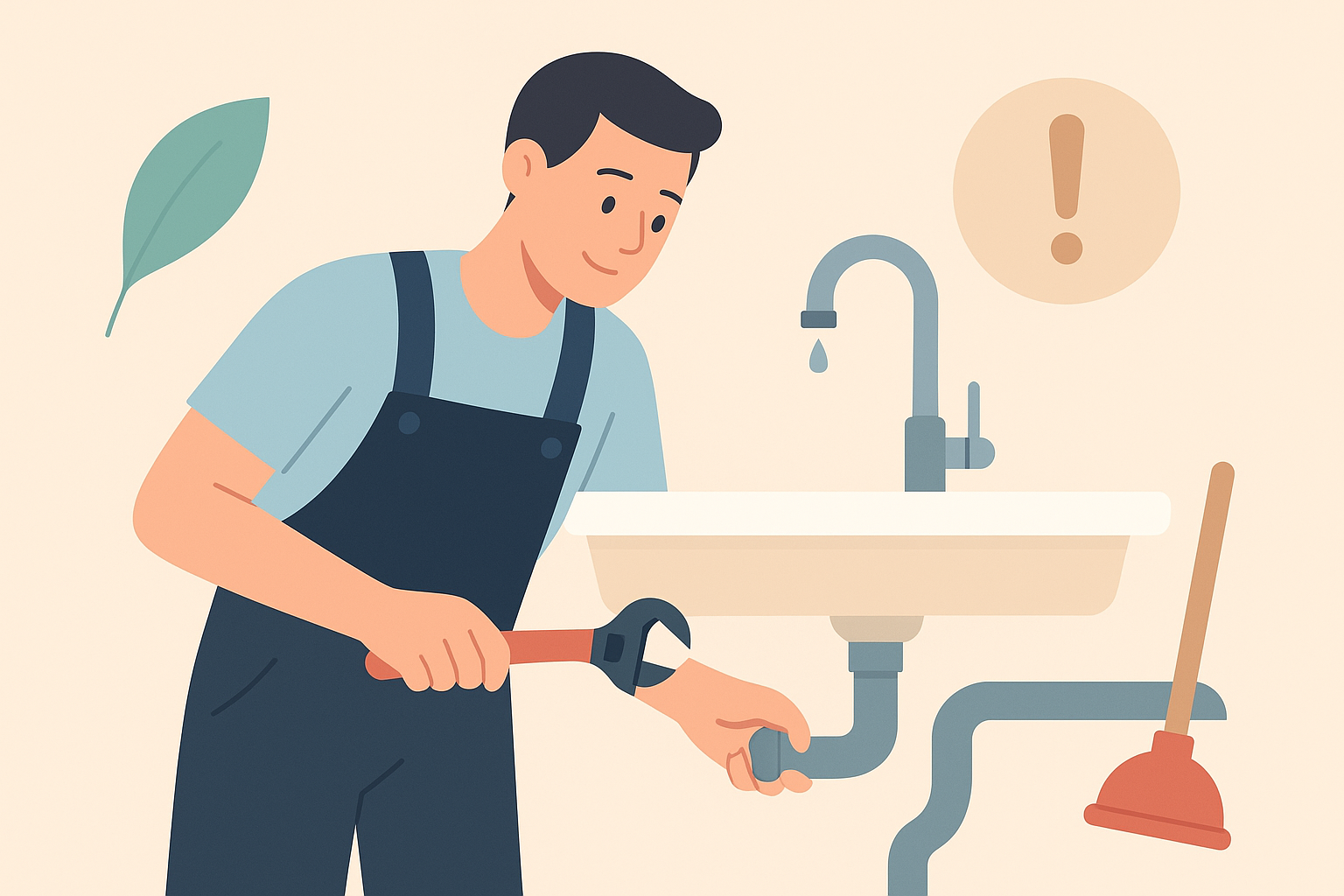
Why Drains Get Blocked and Why Prevention Matters
Modern drainage systems are designed to handle a lot, but they are not indestructible. Kitchen sinks take grease and food waste. Bathroom pipes cope with hair and soap. Outside drains deal with leaves, silt and sometimes tree roots.
Over time, these materials collect on the inside of the pipework. What starts as a slight restriction turns into a full blockage. Left too long, it can lead to overflowing gullies, unpleasant smells and even internal flooding.
Preventative maintenance is always cheaper and far less stressful than calling for an emergency visit on a Sunday afternoon.
Top 8 Causes of Blocked Drains
1. Grease and Fat
Pouring cooking oil or fat down the sink is one of the biggest culprits. Even if it goes down as a liquid, it cools and solidifies further along the pipe. We often find thick, waxy build-ups restricting kitchen waste pipes.
2. Hair
Bathroom sinks and showers frequently block due to hair. It binds with soap residue and forms a stubborn clump that catches everything else passing through.
3. Wet Wipes and Sanitary Products
Even products labelled as flushable do not break down like toilet paper. We regularly pull out clumps of wipes that have snagged inside bends in the pipe.
4. Food Waste
Coffee grounds, rice and fibrous veg peelings swell or compact in pipework. Without a proper waste disposal unit, they should not be going down the sink.
5. Limescale Build-Up
In hard water areas, scale gradually narrows the internal diameter of pipes. It is especially common in older properties around Hove and Worthing with ageing pipework.
6. Tree Roots
Outside drains can crack over time. Tree roots are drawn to the moisture and grow into the pipe, eventually trapping debris and causing repeated blockages.
7. Foreign Objects
Children’s toys, cotton buds, dental floss and even small cleaning cloths can find their way into toilets and drains.
8. Poor Installation or Pipe Damage
We occasionally attend homes where pipes have not been laid at the correct gradient. Waste does not flow properly, leading to ongoing problems. Older clay drains can also collapse or shift.
Simple Prevention Tips for Each Common Cause
The good news is that small habits make a big difference.
- Grease: Let cooking fat cool and scrape it into the bin. Wipe pans with kitchen roll before washing.
- Hair: Fit a simple shower or plughole catcher and clean it weekly.
- Wipes: Only flush the three Ps, pee, poo and paper.
- Food waste: Scrape plates into the bin or compost. Avoid tipping coffee grounds down the sink.
- Limescale: Use a suitable descaling product periodically, especially in hard water homes.
- Tree roots: Keep an eye on slow-draining outside gullies and schedule inspections if you have large trees nearby.
- Foreign objects: Keep toilet lids down and avoid using the loo as a bin.
- Poor installation: If you experience regular blockages in the same spot, get the pipework checked properly rather than relying on repeated chemical cleaners.
Homeowners in Hove, Worthing and Haywards Heath often ask whether drain unblocking chemicals are a good idea. Used occasionally they can help with light build-ups, but overuse can damage seals and older pipework. If you are reaching for them every few months, something else is going on.
When to Call a Professional Plumber
There are clear signs that a blockage needs more than a plunger.
- Multiple fixtures backing up at the same time
- Water rising in the bath when you flush the toilet
- Persistent bad smells from drains
- Gurgling noises in pipework
- Recurring blockages in the same location
In these cases, the issue is often further down the system. We use proper drain rods and CCTV camera surveys to pinpoint the fault without unnecessary digging. In older properties around Haywards Heath in particular, we sometimes find partial collapses that would never be cleared with basic tools.
Acting early can prevent structural damage and avoid more disruptive repairs later on.
Conclusion: Keeping Your Drains Flowing Year-Round
Blocked drains are one of the most common problems we deal with across Sussex, yet most of them start with everyday habits. A bit of awareness in the kitchen and bathroom goes a long way.
If you are noticing slow drainage, strange smells or repeated issues, it is better to get it checked sooner rather than later. The team at Brighton Plumbers handle everything from minor sink blockages to full drain investigations across the local area.
Contact us today to arrange your drainage inspection or get in touch for a fast, no-obligation quote.