








If you’ve spotted the needle on your boiler gauge dropping again and you’re wondering what’s going on, you’re not alone. We get plenty of calls across Brighton & Hove from homeowners dealing with a boiler losing pressure, especially during the colder months when the heating’s working harder.
Low pressure is one of the most common boiler issues we see. The good news is that in many cases, it’s something you can safely check yourself. In others, it’s a sign that something else needs attention. Here’s a straightforward guide to help you understand what’s happening, what you can try at home and when it’s time to call in professional help.
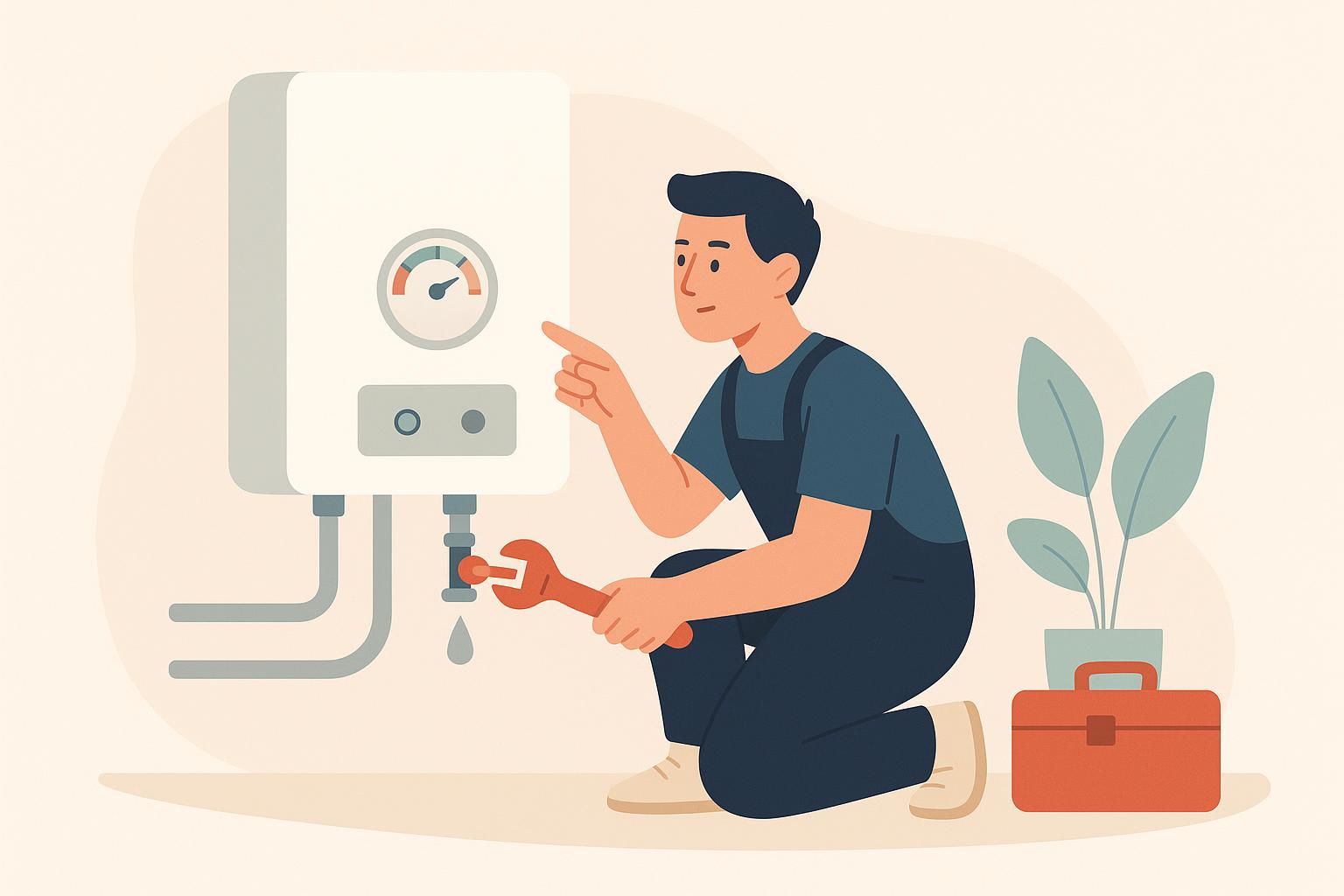
Why Does Boiler Pressure Drop?
Your boiler is a sealed system. It relies on water being pressurised correctly to circulate around your radiators and taps. If that pressure drops too low, the boiler may stop working properly or shut itself down altogether.
On most modern combi boilers, you want the pressure gauge to sit somewhere around 1 to 1.5 bar when the heating is off. If it’s under 1 bar, that’s when you start running into trouble.
Common Reasons for Low Boiler Pressure
There are a few usual suspects behind low boiler pressure in Brighton homes:
- A small leak somewhere in the system
- Recently bled radiators
- A faulty pressure relief valve
- An issue with the expansion vessel
One of the most common scenarios we see is after someone has bled their radiators at the start of winter. It’s absolutely the right thing to do, but every time you release air, you also lose a bit of water from the system. That can cause the pressure to drop.
We also get calls from customers in older terraces where pipework under floorboards has developed a slow leak over time. It’s not always obvious straight away, especially if it’s small.
How to Top Up Boiler Pressure Safely
If your boiler is losing pressure but everything looks dry and there are no obvious leaks, you can usually top it up yourself.
Step-by-Step Guide
Here’s what you can do:
- Turn the boiler off and let it cool down
- Locate the filling loop, usually a silver braided hose under the boiler
- Open the valves slowly to let water in
- Watch the pressure gauge as it rises
- Close the valves once it reaches around 1 to 1.5 bar
- Turn the boiler back on
Go slowly. We often hear from people who have accidentally over-pressurised the system by opening the valves too quickly. If the gauge shoots past 2 bar, you may need to bleed a radiator to bring it back down.
If you live in a newer flat in central Brighton, you might find the filling loop is built in rather than a removable hose. If you’re unsure, check the boiler manual or take a clear photo and send it to your engineer before adjusting anything.
Checking for Leaks
If your boiler losing pressure is becoming a regular thing, topping it up every few weeks for example, then there’s usually an underlying issue.
What You Can Look For
Have a quick look around:
- Check under radiators for damp patches or staining
- Look at pipe joints for signs of corrosion or drips
- Inspect the boiler itself for water marks underneath
- Check outside for dripping from the overflow pipe
In some of the larger homes we visit in Hove, small leaks in airing cupboards can go unnoticed for months because they’re hidden behind stored towels or boxes. It’s worth moving things aside for a proper look.
Another point that catches people out is the pressure relief valve pipe outside. If it’s dripping regularly, that can indicate the system is over-pressurising and then dumping water to protect itself. That’s not something to ignore.
When to Call a Professional
There’s nothing wrong with topping up your boiler occasionally. But if you’re searching for low boiler pressure Brighton month after month, it’s time to dig a bit deeper.
You should call a qualified engineer if:
- The pressure keeps dropping quickly after topping up
- You can see or suspect a leak
- The boiler is making unusual noises
- You’re not confident adjusting the filling loop
- The boiler keeps locking out
We recently helped a homeowner in Hangleton whose boiler kept losing pressure every few days. It turned out the expansion vessel had failed internally. That’s not something you can fix yourself, but once replaced, the problem was sorted properly rather than being endlessly topped up.
Leaving a pressure issue unresolved can lead to bigger problems. Pumps can run dry, components can overheat and in the worst cases you could end up needing more extensive repairs.
A Balanced Approach: DIY Where Sensible, Backup When Needed
We always encourage homeowners to understand their own heating systems. Knowing how to top up pressure safely is useful and can save you an unnecessary callout.
That said, if your boiler losing pressure feels like a repeat issue rather than a one-off, it’s best to have it checked properly. A short visit from an experienced engineer can often pinpoint the cause far quicker than guesswork.
At Brighton Plumbers, we deal with low boiler pressure Brighton homes experience every winter, from compact flats near the seafront to larger family houses in the suburbs. If you’re in Brighton, Hove, Worthing, Haywards Heath or anywhere in the nearby in Sussex and you’d rather get it sorted properly, Brighton Plumbers can take a look and give you clear, honest advice on what’s going on. If you’re unsure what’s causing the issue or you just want peace of mind before the weather turns colder, Brighton Plumbers are here to help.